
How Art Therapy Can Help Support Emotional Regulation for NDIS Participants
 Prefer MySolas


Insight Description
When someone you care for becomes quiet, frustrated, withdrawn or unable to explain what is wrong. Perhaps small changes to their routine lead to distress, everyday situations become difficult to manage, or they struggle to communicate what they are feeling.
You can see they're overwhelmed. Finding out why can be hard.
For a parent or guardian, that uncertainty can be emotionally exhausting. You want to help, but sometimes asking questions doesn't provide the answers and might make the situation worse. When someone finds it difficult to communicate their emotions verbally, knowing where to start can be challenging.
Creative Arts Therapy offers another way to explore feelings, without relying entirely on words.
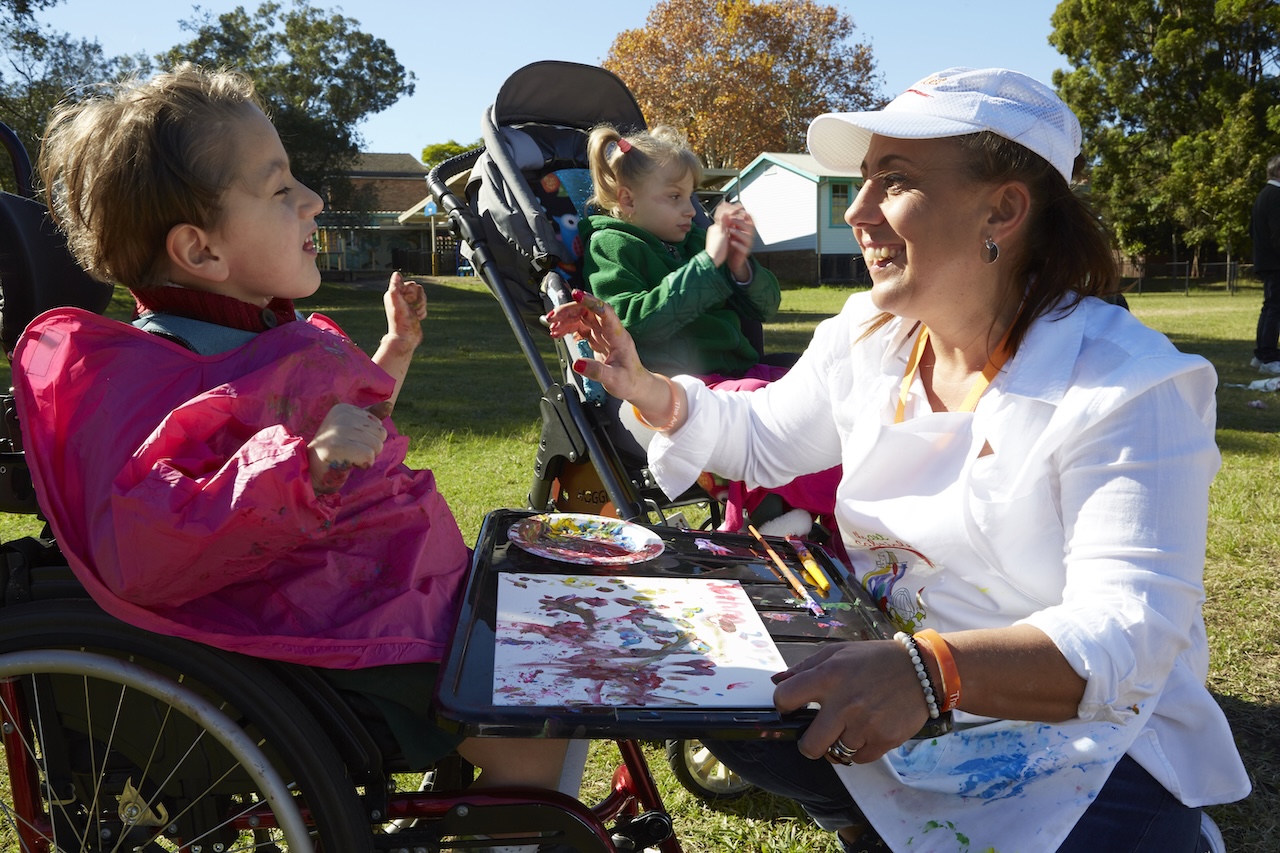
Through a supported creative process, participants can explore their emotions, develop greater self-awareness and work towards strategies that may help them manage overwhelming experiences.
For NDIS participants, this can be a valuable part of working towards individual goals relating to emotional wellbeing, communication, relationships and everyday participation.
What Is Emotional Regulation and Why Can It Be Difficult?
Emotional regulation is the ability to recognise, understand and respond to emotions.
It doesn't mean being happy all the time, avoiding frustration or never becoming upset. It means developing ways to recognise what is happening emotionally and finding strategies that help navigate those experiences.
For some people with a disability, identifying and communicating emotions can be particularly challenging.
They might experience:
- Difficulty identifying or naming what they are feeling.
- Becoming overwhelmed by changes to routine or unexpected situations.
- Frustration when they cannot communicate their needs.
- Difficulty managing sensory experiences or environmental stimulation.
- Withdrawing from social situations.
- Strong emotional responses that are difficult to understand or navigate.
- Finding it difficult to return to a settled state after becoming distressed.
These experiences are not necessarily a choice or a behaviour someone can simply be told to stop.
How Can Art Therapy Help With Emotional Regulation?
Art Therapy is a somatic therapeutic approach that uses creative processes to help people explore thoughts, feelings and experiences.
Importantly, it isn't about being artistic, you don’t even need to be ‘good’ at art to explore Creative Art Therapy to produce a beautiful picture or learning how to paint, dance or play music.
The focus is on the process of creating, rather than the finished artwork.
For someone who finds it difficult to explain their feelings, creative activities can provide an alternative way to communicate and explore experiences.
A qualified therapist can use different creative approaches, adapting the process to suit the participant's individual preferences, abilities and needs.
Here are five ways Creative Arts Therapy may support emotional regulation.
1. Providing Another Way to Express Feelings
Sometimes, asking someone how they feel isn't enough.
They might not have the words to explain what is happening, may not recognise the emotion themselves, or may find direct conversations overwhelming.
Through drawing, painting, music, movement or other creative activities, participants can explore and communicate experiences in different ways.
For example, someone might use colours, shapes or images to represent how they are feeling.
There is no expectation that they explain everything immediately. The therapist can provide a supportive space where expression happens at the participant's own pace.
Over time, this process may help build emotional awareness and provide additional ways to communicate feelings and needs.
2. Recognising and Understanding Emotions
Understanding what you are feeling is an important part of emotional regulation.
Creative activities can provide opportunities to explore different emotions, recognise patterns and develop a greater understanding of personal experiences.
A therapist might invite a participant to explore what calm, frustration, excitement or worry feels like through a creative process.
This isn't about assigning a particular meaning to someone's artwork.
Instead, the therapist works alongside the participant, allowing them to make their own choices and interpretations.
Developing this emotional awareness may help participants recognise what they are experiencing and communicate their needs more clearly.
3. Exploring Ways to Manage Overwhelming Feelings
When someone becomes overwhelmed, it can be difficult to know what might help.
Creative Arts Therapy can provide opportunities to explore different ways of responding to emotional experiences in a supported environment.
Depending on the individual's needs, this might involve exploring:
- Creative activities that feel calming or familiar.
- Different ways to communicate when words are difficult.
- Recognising situations or experiences that contribute to distress.
- Identifying personal preferences and boundaries.
- Developing strategies that can be practised outside the therapy environment.
The aim is not to eliminate difficult emotions.
It is to help the participant develop a greater understanding of their experiences and explore strategies that may support them in everyday situations.
4. Building Confidence, Choice and Self-Expression
Feeling overwhelmed can sometimes leave a person feeling that things are happening around them without having much control.
It can be as simple as learning to say ‘no’ confidently by creating healthy boundaries like our client Emily (Read Emily’s Creative Arts Therapy Case Study Here). By providing opportunities to make decisions, express preferences and take an active role in the therapeutic process.
A participant might choose the materials they want to use, decide how they would like to approach an activity or communicate when they need a break.
These small moments of choice can be meaningful.
They provide opportunities to practise self-expression, build confidence and strengthen a person's sense of agency.
The participant remains at the centre of the process. Their preferences, comfort and individual needs guide the experience.
5. Supporting Communication and Relationships
When someone struggles to communicate their emotions, it can affect their relationships with family members, carers, support workers and others around them.
Creative processes can offer additional ways to explore experiences that may otherwise be difficult to communicate.
As participants develop greater awareness of their feelings and preferences, they may find it easier to communicate what they need and what support is helpful.
With the participant's consent, insights and strategies developed during therapy may also help inform conversations with their broader support network.
This can help parents and carers better understand how to provide support while respecting the individual's independence and choices.
What Can Creative Arts Therapy Look Like in Practice?
Every participant is different. There is no single activity or therapeutic approach that works for everyone.
Consider someone who regularly becomes overwhelmed when their routine changes.
They might become frustrated, withdraw or struggle to explain what is upsetting them.
Rather than expecting them to immediately talk about what has happened, a therapist might introduce a creative activity that feels comfortable and accessible.
This could involve:
- Choosing colours or materials that appeal to them.
- Using drawing or painting to explore feelings.
- Incorporating music or movement where appropriate.
- Exploring what different experiences feel like.
- Identifying creative activities or strategies they find helpful.
The therapist observes, listens and works alongside the participant without imposing an interpretation on their creative expression.
Over time, the participant may begin to recognise emotional experiences, communicate preferences and identify strategies that help them navigate challenging situations.
The skills and strategies explored in sessions can then be considered in the context of everyday life, with the participant and their support network where appropriate.
This is an illustrative example of how a therapeutic process might work, rather than an account of an individual CATA participant.
Creative Arts Therapy and the NDIS: CATA's Experience
Creative Art Therapy Australia (CATA) has been delivering Creative Arts Therapy services to NDIS participants since 2019.
Across its NDIS program, CATA has delivered more than 2,000 creative therapy sessions to participants aged 9 to 65, using a range of approaches including visual arts, music, drama, and dance and movement therapy.
Each approach is tailored to the participant's individual needs, preferences and goals.
CATA's work has focused on supporting participants to develop areas including:
- Emotional awareness and emotional literacy.
- Communication and self-advocacy.
- Resilience and coping strategies.
- Social connection and participation.
- Confidence and independence.
An important part of this approach is choice and control.
Participants are encouraged to have an active role in shaping their sessions, including the creative activities they explore and the goals they work towards.
CATA provides individual and group services, with delivery options including onsite sessions, outreach and online support.
The emphasis is on creating a safe, supportive and non-judgemental environment where participants can explore their experiences at their own pace.
What Should Parents and Guardians Look for in a Creative Arts Therapist?
Choosing the right therapeutic support is an important decision.
If you are considering Creative Arts Therapy for someone you support, there are several things worth asking.
1. Are they appropriately qualified and professionally registered?
Ask about the therapist's qualifications, professional membership, experience and approach to working with people with disability.
2. Do they understand the participant's individual needs?
A good therapeutic approach should consider the person's communication preferences, sensory needs, experiences, strengths and goals.
3. Is the participant involved in making decisions?
Choice and control are important. The participant should have opportunities to express preferences, make choices and communicate when something doesn't feel right.
4. How will progress be explored?
Ask how the therapist will work towards the participant's goals and how progress will be reviewed.
5. Can strategies be carried into everyday life?
Where appropriate, ask how insights from sessions can support the participant outside the therapy environment, while respecting their privacy and consent.
Can Art Therapy Be Funded Through the NDIS?
Art Therapy is included among the therapy supports that the NDIS may fund. However, funding is not automatic.
The NDIS considers whether a therapy is supported by appropriate evidence, whether it is likely to improve or maintain the participant's functional capacity, and whether it meets the relevant funding criteria.
The support must also be delivered by a suitably qualified and registered or accredited professional.
The most appropriate funding arrangements depend on the participant's individual circumstances, disability-related needs, goals and plan.
If you are considering Creative Arts Therapy, it is worth discussing the service with your support coordinator, plan manager or relevant NDIS professional and checking the funding available in your plan.
You can also read the NDIS guidance on therapy supports.
Helping Someone Feel Understood Starts With Understanding What They Need
When someone you care for becomes overwhelmed, it can be tempting to focus on finding a way to stop the behaviour or resolve the immediate situation.
But sometimes, the more important question is understanding what they might be experiencing and what support could help.
Creative Arts Therapy offers an opportunity to explore emotions in a different way, build self-awareness and develop strategies that may support everyday life.
It doesn't require someone to have the right words, artistic experience or a particular way of expressing themselves.
It starts with meeting the person where they are.
At Creative Art Therapy Australia, we believe everyone deserves the opportunity to be heard, understood and supported in a way that respects their individual needs.
If you would like to explore whether Creative Arts Therapy could be appropriate for someone you support, our team is here to help.
Explore CATA's NDIS services or request a session.
This article provides general information and is not a substitute for individual therapeutic advice. The suitability of Creative Arts Therapy should be discussed with a qualified professional and considered in the context of the participant's individual needs and NDIS funding arrangements.
Insight Info

Written by
Creative Art Therapy Australia NDIS Registered Provider